Revisionist history refers to the reinterpretation of historical events, often by introducing new evidence, perspectives, or analysis that challenge the established narrative. While the term can be used neutrally to describe legitimate scholarly work, it is often used critically to describe attempts to distort or manipulate history for ideological or political purposes.

What Is Revisionist History?

At its core, revisionist history is the process of re-examining the past. Historians regularly revisit historical events as new documents are uncovered, new methodologies are developed, or previously ignored voices are included. In this sense, revisionism is a normal and necessary part of understanding history more accurately.

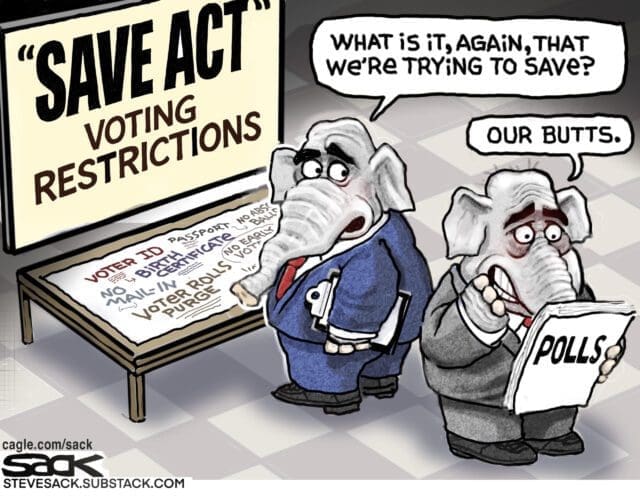
However, the term “revisionist history” is frequently used in a negative way to describe efforts that selectively reinterpret facts or present misleading conclusions in order to serve a specific agenda.

Is Revisionist History Good or Bad?

Revisionist history can be both beneficial and harmful, depending on how it is used.

  • Constructive revisionism helps correct inaccuracies, include marginalized perspectives, and deepen our understanding of complex events.
  • Manipulative revisionism distorts facts, omits key information, or reframes events in ways that mislead audiences.

The difference often comes down to intent, evidence, and transparency.

Examples of Revisionist History

  • Reinterpreting historical figures in light of newly discovered documents or previously ignored viewpoints
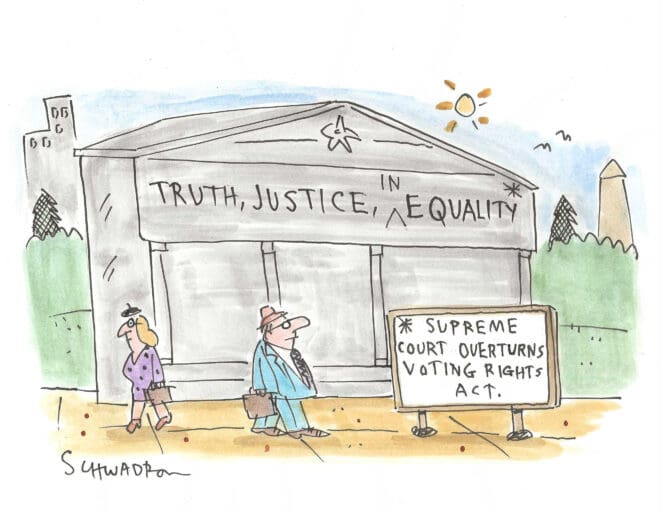
  • Downplaying or denying well-documented events such as human rights abuses or systemic injustices
  • Framing historical events to support modern political narratives
  • Reassessing cultural or economic movements through updated research and data

Revisionist History vs. Historical Interpretation

All history involves interpretation, but not all interpretation is revisionist in a controversial sense. Historians routinely analyze events from different angles, which is a normal part of scholarship. Revisionist history becomes controversial when interpretations stray from evidence-based analysis and move toward selective storytelling or ideological framing.

Why the Term “Revisionist” Is Controversial

The label “revisionist” is often used as a critique, especially in political and cultural debates. It can imply that someone is attempting to rewrite history in a misleading or dishonest way. At the same time, the term can also be misused to dismiss legitimate scholarship that challenges long-held assumptions.

Understanding the difference between careful historical revision and intentional distortion is essential for evaluating how the past is presented in modern discourse.

Many discussions about modern politics and culture involve debates over revisionist history and how narratives are shaped over time.