



Message discipline
Repetition creates familiarity.
Voters are busy. Repeated phrases and themes help campaigns make one idea stick across speeches, ads, interviews and social media.

To Comfort The Afflicted
And Afflict The Comfortable
Political messaging is the strategic use of language, ideas, symbols and narratives to influence how people understand political issues, candidates and public policy.
Quick answer
Political messaging is the way politicians, parties, campaigns, advocacy groups and organizations communicate ideas to the public. It often involves framing issues in ways that resonate with specific audiences and encourage support for a particular viewpoint.
Presenting an issue from a particular angle so audiences interpret it a certain way.
Repeating ideas, phrases or themes until they become familiar and memorable.
Using stories to organize complex events into understandable patterns.
Encouraging people to support a candidate, policy, movement or point of view.
How it works
Campaigns and organizations use familiar tools to make public issues understandable, persuasive and repeatable.
Repeated phrases designed to keep speakers focused on the same message.
Presenting an issue in a way that shapes how people understand it.
Short, memorable statements that capture a larger idea.
Using fear, hope, anger, pride or optimism to influence reaction.
Broad narratives that organize a candidate’s or movement’s message.
Using flags, settings, colors, music, photos or visual cues to communicate meaning.
Why repetition matters
Repetition is not automatically deception. It is a communication strategy that makes messages easier to recall, easier to repeat and easier to connect with a political identity.
Message discipline
Voters are busy. Repeated phrases and themes help campaigns make one idea stick across speeches, ads, interviews and social media.
Benefit
A clear message can help voters understand a candidate’s priorities or a policy debate quickly.
Risk
Messaging can oversimplify policy, omit tradeoffs or turn difficult questions into emotional reflexes.
Political communication spectrum
Understanding the differences helps voters judge messages more carefully.
Public information
Examples include election dates, public notices, government records and basic policy explanations.
Political messaging
Messaging uses framing, repetition, themes and language to influence how people understand issues or candidates.
Propaganda
Propaganda often leans heavily on emotion, symbols, repetition and selective facts.
Disinformation
Disinformation is knowingly false or misleading information spread to manipulate beliefs or behavior.
Public opinion
Messaging can make one part of a debate feel central while pushing other facts, tradeoffs or affected communities into the background.
Issue framing
Once voters hear an issue described as a crisis, threat, opportunity or moral test, later information may be interpreted through that lens.
Narratives
Narratives can clarify complicated issues, but they can also leave out facts that do not fit the story.
Agenda setting
Campaigns and media ecosystems can elevate some issues while minimizing others.
How voters can evaluate messages
Good civic judgment requires looking at the evidence beneath the message.
Evidence
Look for verifiable facts, data, records, reporting or direct evidence.
Context
Ask whether the message leaves out costs, tradeoffs, history or affected groups.
Emotion
Fear, anger, pride and hope can all be legitimate — and all can be used to manipulate.
Framing
A policy may look different when framed around cost, rights, fairness, freedom, security or public responsibility.
Modern campaigns
Campaign communication no longer depends only on speeches, mailers and television ads. Messages move through digital platforms, podcasts, influencers, email, text and targeted advertising.
Still important for broad public reach and campaign identity.
Lets campaigns communicate directly and react quickly.
Allow candidates and advocates to shape narratives in more detail.
Can deliver different messages to different audiences.
Third-party voices can make messages feel more personal or trusted.
Campaigns use direct channels to mobilize supporters and repeat key themes.
Frequently asked questions
Political messaging is unavoidable in democratic politics. The task for voters is learning how to evaluate it.
Political messaging is the strategic use of language, ideas, symbols and narratives to influence how people understand political issues, candidates and public policy.
Not always. Political messaging is persuasion. Propaganda is a more intensive form of opinion shaping that often relies heavily on emotion, symbols and selective information.
No. Political messaging can be accurate, incomplete, emotional, evidence-based or misleading. The substance behind the message matters.
Talking points are repeated phrases or ideas designed to keep speakers focused on a consistent message.
Repetition increases familiarity, improves recall, creates consistency and reinforces political identity.
Look for evidence, missing context, emotional targeting, framing choices and whether the message fairly represents the issue.
Related Oklahoma Observer coverage
Understanding messaging helps readers evaluate campaigns, media coverage, propaganda, misinformation, disinformation and voting decisions.
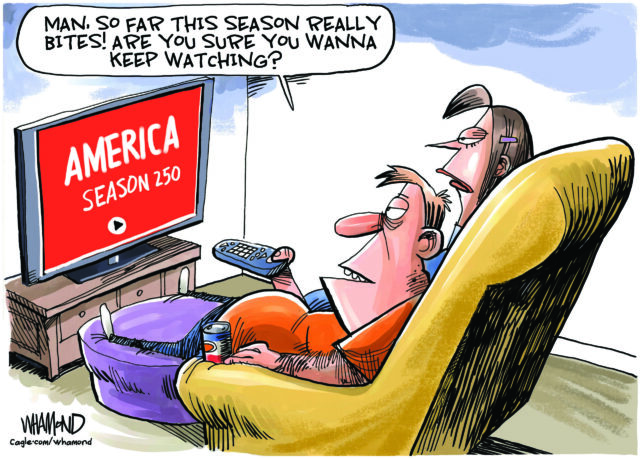 Media literacyWhat Is Media Bias?How selection, framing and emphasis shape public understanding.
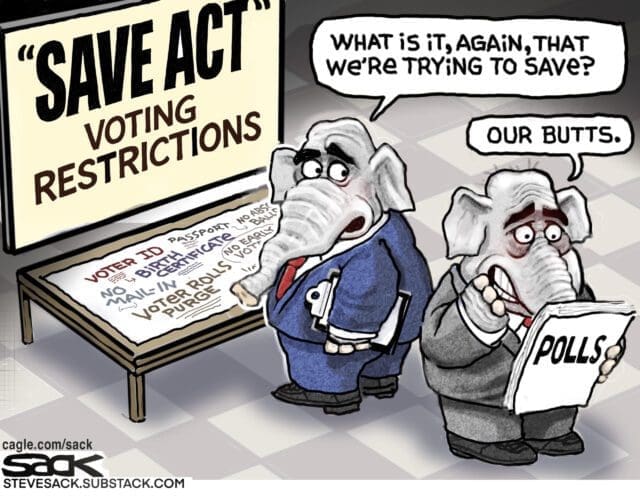 PropagandaWhat Are Propaganda Techniques?How emotion, repetition, labels and selective facts shape belief.
DeceptionWhat Is Disinformation?False or misleading information spread intentionally to manipulate.
PropagandaWhat Are Propaganda Techniques?How emotion, repetition, labels and selective facts shape belief.
DeceptionWhat Is Disinformation?False or misleading information spread intentionally to manipulate.
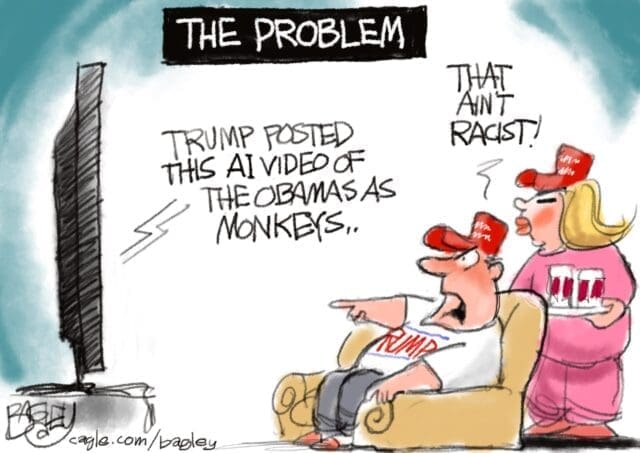 False claimsWhat Is Misinformation?False or inaccurate information shared without intent to deceive.
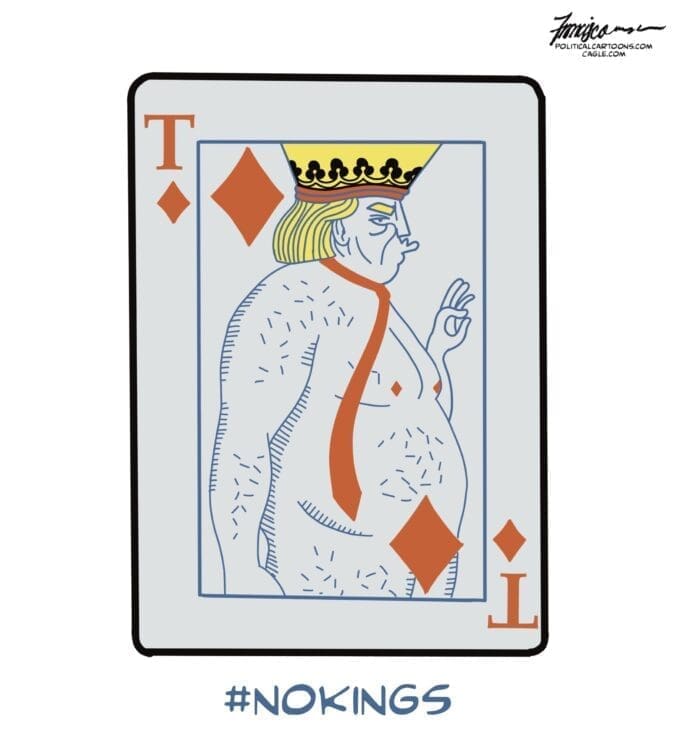 ElectionsOklahoma’s 2026 Election GuideBallot questions, public policy, voting access and campaign issues.
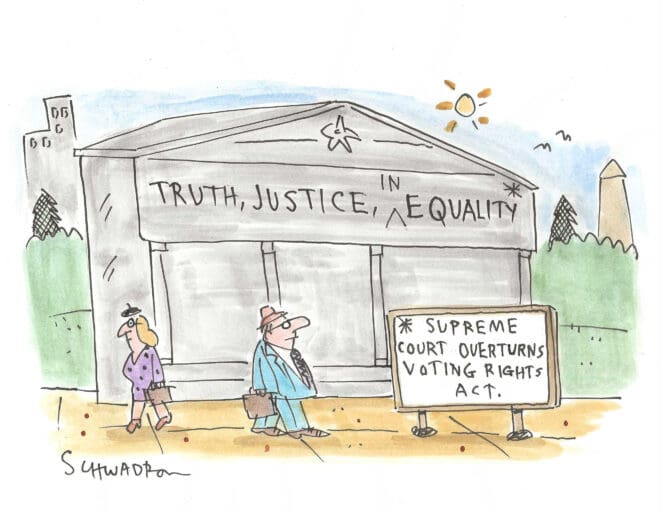 DemocracyOklahoma Democracy And Voting RightsVoting access, democratic institutions and public accountability.