


Prices & policy
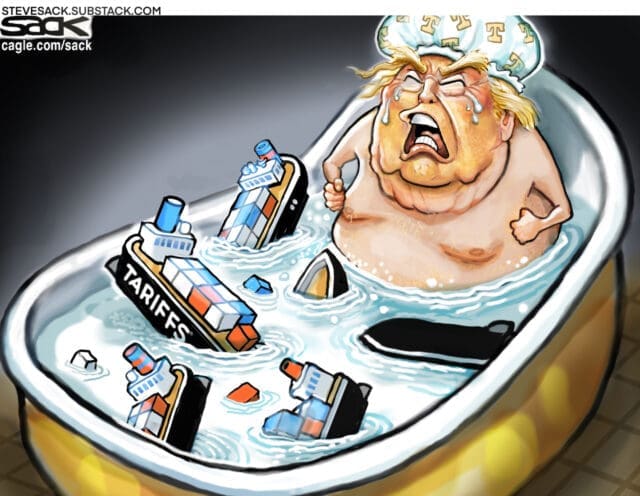
Trump's Tariffs Hit U.S. Economy
National economic policy, tariffs and prices are already part of what voters are weighing in everyday life.
Read the Observer coverage →
To Comfort The Afflicted
And Afflict The Comfortable
The ballot will name candidates and state questions. The real decisions reach deeper: wages, public schools, healthcare, voting access, public money and who gets power in Oklahoma.
The first question
Names matter. Parties matter. But elections also ask whether Oklahoma will protect public schools, fund healthcare, raise wages, guard voting access, regulate public money and demand accountability from people in power.
State Question 832
SQ 832 asks voters whether Oklahoma should raise the state minimum wage in steps and connect future increases to inflation. The choice sits inside a larger economic conversation already visible in coverage: prices, gas, healthcare and household pressure.
A YES vote supports the proposal. A NO vote opposes the proposal. State questions appear for every voter, regardless of party.
The official ballot title says the measure would amend the Oklahoma Minimum Wage Act, move the state minimum wage toward $15 an hour and, beginning in 2030, connect future increases to the cost of living. Because the vote occurs in 2026, the first practical increase would align with the measure’s schedule rather than the original 2025 start date.
The question reaches beyond hourly pay. It belongs with searches about groceries, rent, gas prices, healthcare, utility bills and whether full-time work is enough to keep Oklahoma families above water.
Cost of living
SQ 832 is about minimum wage. Voters are also carrying grocery bills, gas prices, healthcare costs and campaign promises into the booth.
Prices & policy
National economic policy, tariffs and prices are already part of what voters are weighing in everyday life.
Read the Observer coverage →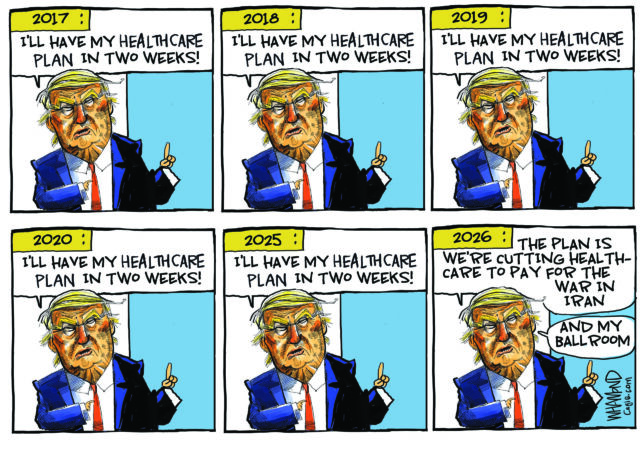
Household costs
Campaign promises are easier to test when readers compare them with grocery bills, gas prices and healthcare costs.
Read the Observer coverage →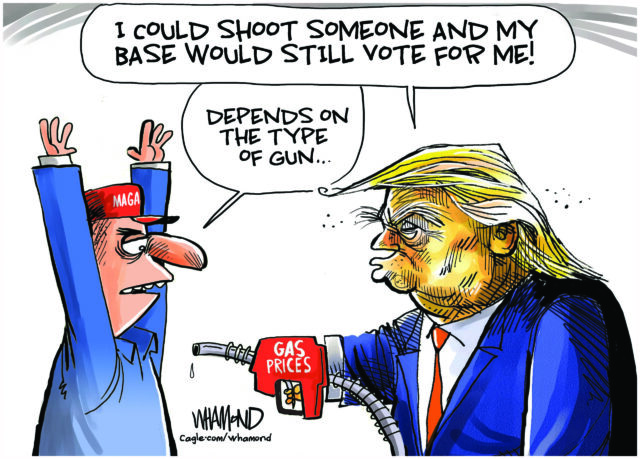
Energy costs
Pump prices, corporate profits and economic power help explain why affordability is an election issue.
Read the Observer coverage →Public education & religious liberty
Public money, religious freedom, rural schools, curriculum fights and state authority are all election issues, even before a voter reaches a school-related race.
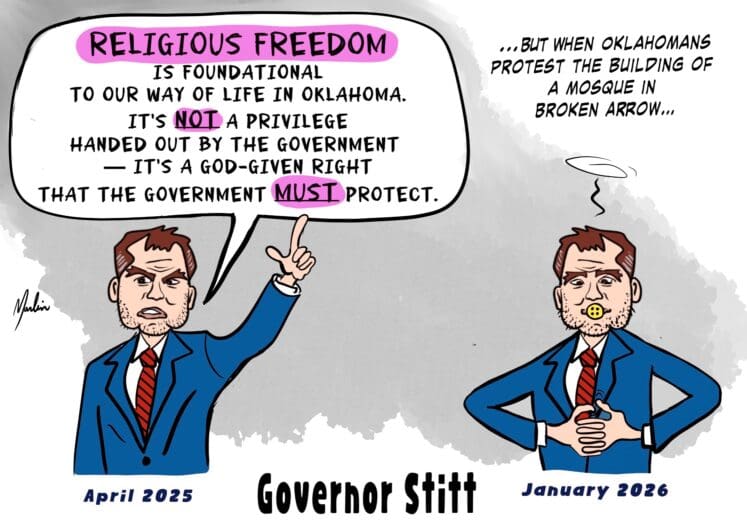
Church & state
A grounded Oklahoma doorway into religious liberty, public values and equal treatment under government.
Read the Observer coverage →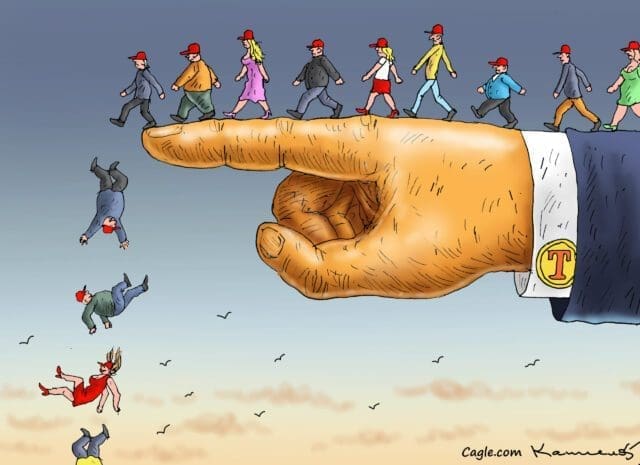
Public schools
Education fights, ideology and public-school pressure remain central to Oklahoma political life.
Read the Observer coverage →
Public money
A bridge between schools, technology, public investment and corporate power.
Read the Observer coverage →Healthcare & public health
Rural hospitals, Medicaid, tribal care, vaccines, mental health and insurance costs all shape whether Oklahoma families feel protected or abandoned.
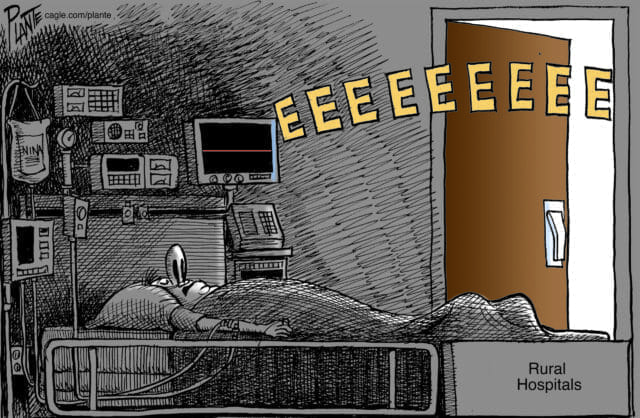
Medicaid & rural care
A direct Oklahoma healthcare anchor for tribal services, rural care and state policy choices.
Read the Observer coverage →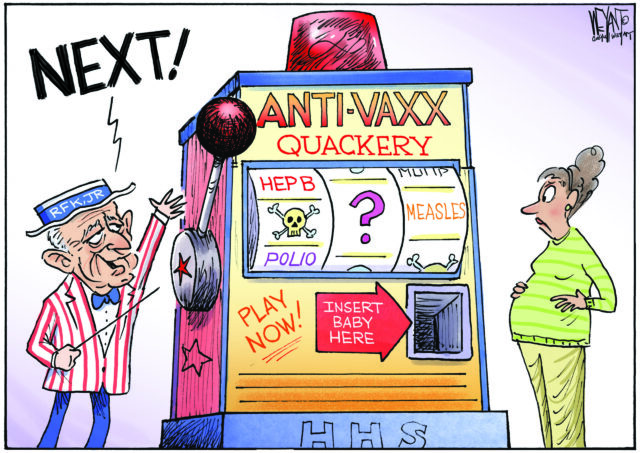
Public health
A reader-facing bridge into vaccines, insurance, science and public responsibility.
Read the Observer coverage →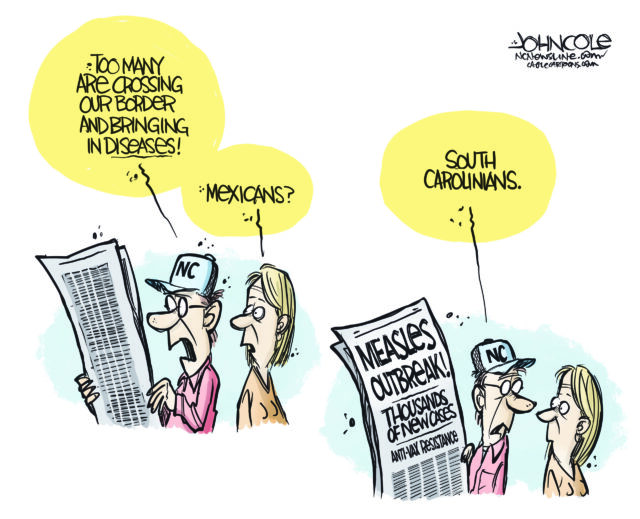
Science & trust
A concise way to show why public health becomes a civic issue.
Read the Observer coverage →Power, money & voting access
A useful election guide has to look beyond slogans: campaign cash, voting rules, state questions, public trust and whether government answers to citizens.
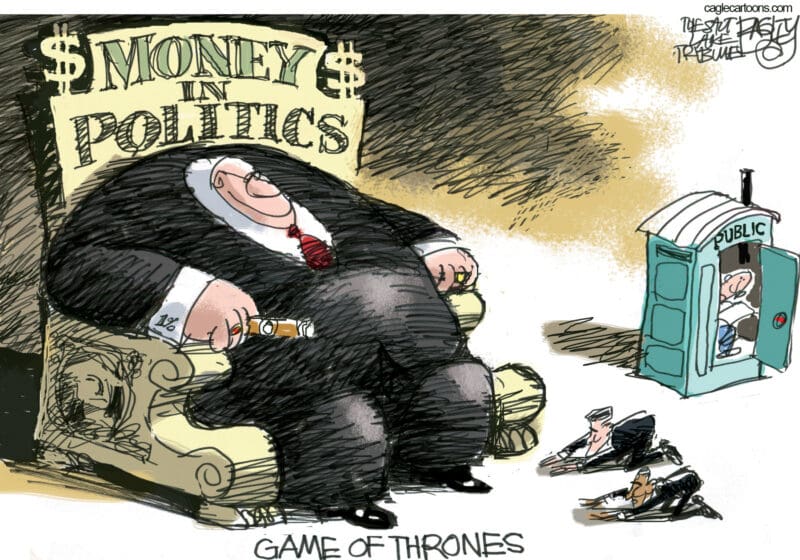
Money in politics
Campaign contributions, donors and public trust belong in a serious Oklahoma election guide.
Read the Observer coverage →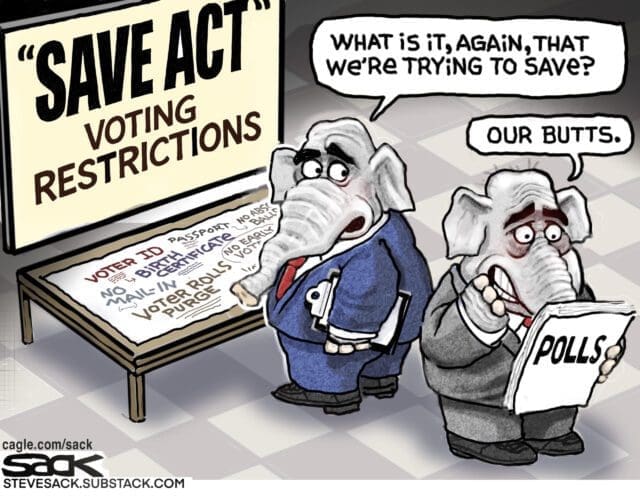
Voting access
Election-security language, voter restrictions and ballot access deserve careful explanation before slogans take over.
Read the Observer coverage →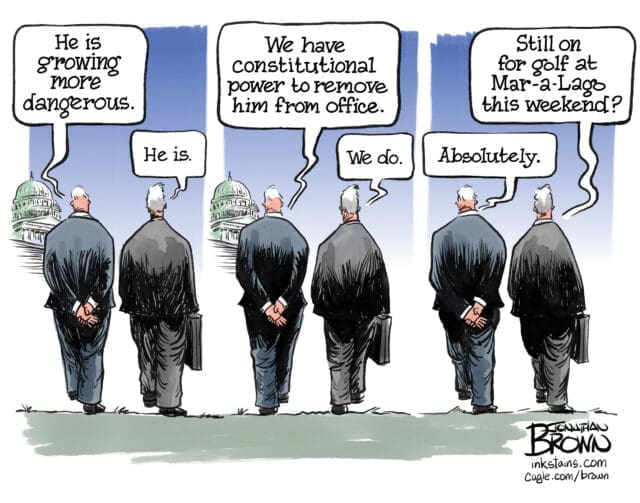
Constitutional duty
A civic frame for congressional responsibility, constitutional limits and public accountability.
Read the Observer coverage →Political figures voters will hear about
Your exact ballot depends on your precinct. The larger pattern is how Oklahoma politicians use office, money, messaging and public responsibility.
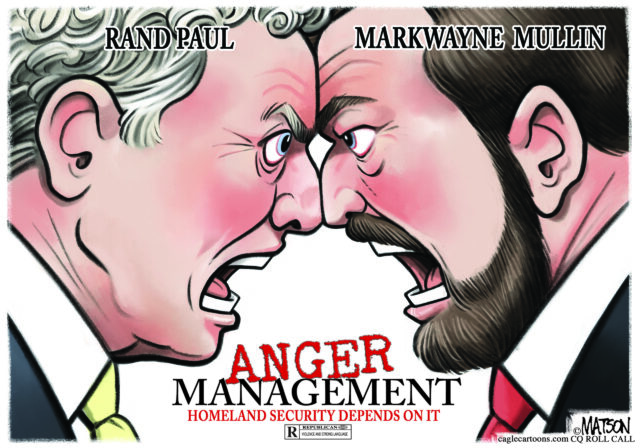
U.S. Senate
Context for Markwayne Mullin, national alignment, labor politics and Oklahoma’s federal representation.
Read the Observer coverage →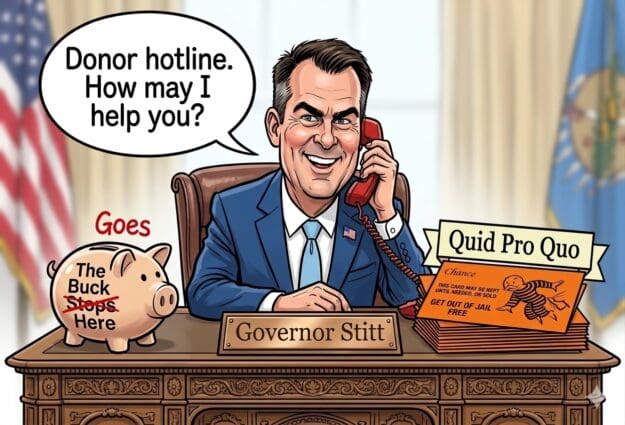
State politics
A look at party conflict and governing patterns Oklahoma voters will hear about in 2026.
Read the Observer coverage →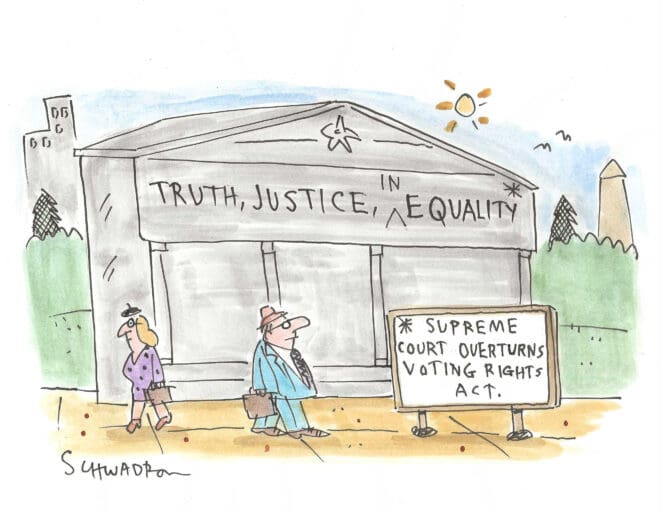
Political context
What a happy coincidence for House Republicans that the Supreme Court's conservative bloc found an excuse to help preserve their party's congressi ...
Read the Observer coverage →Election questions Oklahomans are asking
Search engines reward pages that answer real questions directly. This section keeps the guide useful for voters who arrive from Google, social media, newsletters or a sample-ballot search.
State Question 832 is the statewide minimum-wage question on the June 16, 2026 primary ballot. It asks whether Oklahoma should raise the state minimum wage in scheduled steps and connect later increases to the cost of living.
Read the official Election Board language before voting.
Supporters frame it as a raise for low-wage workers whose pay has not kept up with basic costs. Opponents usually warn about costs for employers and possible price increases. Voters should compare both claims with what they see in wages, grocery bills, housing costs and local business conditions.
Related Observer coverage: Wages haven't kept up — and working families are paying the price.
The governor helps shape agency leadership, state budgets, vetoes, appointments, emergency decisions and the policy direction of state government. That means governor’s races can affect schools, healthcare, criminal justice, tribal relations, public contracts and how aggressively state agencies are managed.
For state-government context, read GOP's Circular Firing Squad and Money Talks, BS Walks.
Public schools are shaped by state funding, teacher pay, curriculum rules, voucher policy, religious-liberty disputes, state superintendent authority and local board decisions. Even races that do not look like “school races” can change what happens in classrooms.
For deeper background, see the Observer’s Oklahoma Public Education Crisis guide and Church And State In Oklahoma.
Healthcare depends on state budget choices, Medicaid policy, rural hospitals, mental-health services, public-health leadership, tribal healthcare partnerships and insurance affordability. Those decisions are made by elected officials long before most families need care.
Related Observer coverage: Stitt's Attack On Medicaid Threatens Tribal, Rural Healthcare.
The SAVE Act debate centers on voting access, proof-of-citizenship rules, election administration and the difference between preventing fraud and creating new barriers for eligible voters. The issue matters because registration rules can decide who is able to cast a regular ballot.
Oklahoma voters should verify current ID rules through the State Election Board before each election. The safest habit is to check your registration, polling place and sample ballot in the official voter portal before Election Day.
Start with the Oklahoma Voter Portal.
Use official sources first: the Oklahoma Voter Portal for your sample ballot and polling place, the State Election Board for dates and rules, and the state-question page for ballot titles. Then use journalism to understand context, consequences and competing claims.
Official resources: sample ballot lookup, Election Board, and state questions.
Before you vote
Use official election sources to confirm your polling place, sample ballot, absentee status, deadlines and state-question language.
The strongest version of this guide is a living one: clearer ballot explanations, fresh content, candidate context, official dates and practical reminders as Election Day approaches.