



Public interest
Government should serve the common good.
At its core, republicanism holds that public power should be used for public purposes, not for personal rule, private loyalty or permanent domination by one faction.

To Comfort The Afflicted
And Afflict The Comfortable
Republicanism is the idea that government should be rooted in public authority, elected representation, the rule of law and civic responsibility rather than monarchy, inherited power or rule by an unaccountable elite.
Quick answer
Republicanism is a political philosophy centered on the idea that a country should be governed as a republic, where power rests with the people and their elected representatives rather than a monarch or ruling elite. It emphasizes civic participation, the rule of law and the protection of individual rights.
Authority comes from the people, not a king, dynasty or permanent ruling class.
Government power is limited by laws that should apply fairly and publicly.
Leaders are elected and expected to act on behalf of the public interest.
Citizens are expected to participate, stay informed and hold leaders accountable.
Key principles
A republic requires laws, institutions, public accountability and citizens who understand their role in civic life.
Public interest
At its core, republicanism holds that public power should be used for public purposes, not for personal rule, private loyalty or permanent domination by one faction.
Checks on power
Constitutions, courts, legislatures, elections and public scrutiny help prevent one person or faction from becoming unaccountable.
Civic virtue
Republicanism assumes that citizens must pay attention, participate in public life and resist corruption, apathy and authoritarian temptation.
Not the same as a party
The word shares a root with modern political party names, but republicanism as a philosophy predates today’s parties and refers broadly to representative government and public accountability.
In practice
The concept continues to shape arguments over voting rights, representation, separation of powers, corruption, civic education and whether leaders remain accountable to the people.
Elections
Republican systems reject hereditary rule and depend on meaningful public participation in choosing representatives.
Constitutions
Written constitutions and legal constraints help define what public officials can and cannot do.
Representation
Representatives are expected to govern for the public interest and can be replaced when they fail.
Civic education
Public education, journalism and civic literacy help people recognize when government is working — and when it is not.
Frequently asked questions
The term is often confused with party politics. Clear definitions help separate a form of government from modern partisan identity.
Republicanism is the belief that government should be based on public authority, elected representation, the rule of law and accountability to citizens.
They overlap, but they are not identical. Democracy emphasizes rule by the people; republicanism emphasizes representative government, law, public virtue and limits on power.
No. Republicanism is a political philosophy and form-of-government concept. Modern party labels are separate from the older civic idea.
Popular sovereignty, representative government, rule of law, civic responsibility, checks on power and protection of individual rights.
It shapes debates over elections, voting access, corruption, executive power, public accountability and whether citizens still control their government.
A republic depends on citizens who understand rights, institutions, history and public responsibility well enough to hold leaders accountable.
Related Oklahoma Observer coverage
Questions about representation and public accountability overlap with voting rights, civic education, disinformation, political messaging and the future of democratic institutions.
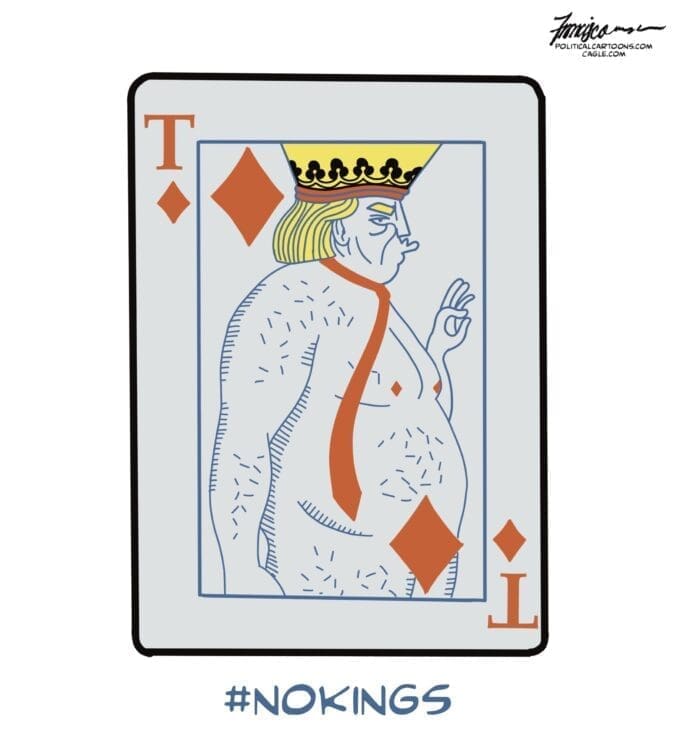 ElectionsOklahoma’s 2026 Election GuideBallot questions, voting access, public schools, wages and state power.
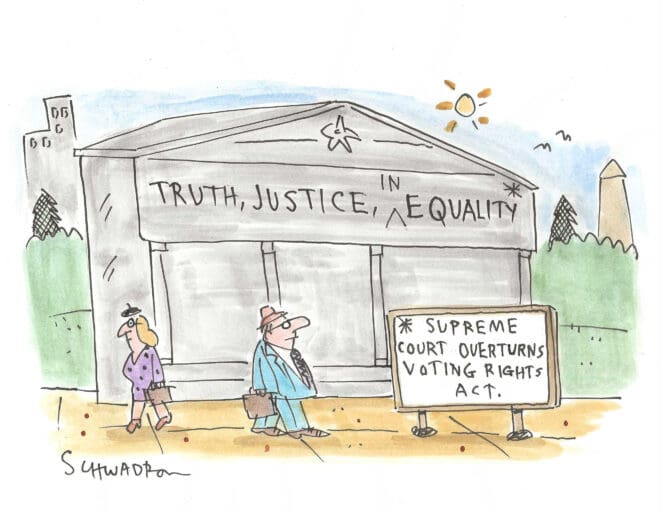 DemocracyOklahoma Democracy And Voting RightsVoting access, democratic institutions and public accountability.
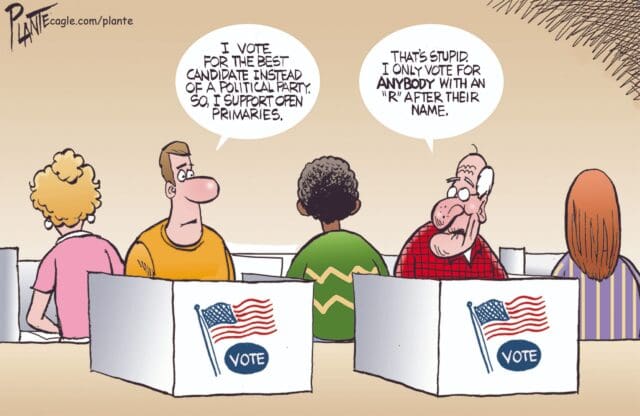 EducationOklahoma Public Education CrisisPublic schools, civic knowledge, governance and democratic life.
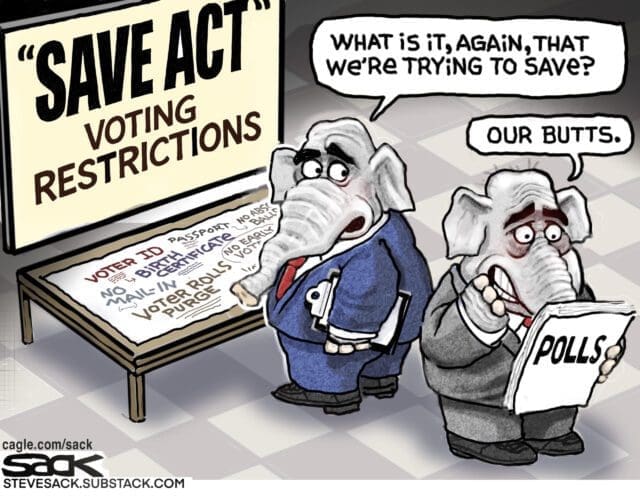 MessagingWhat Is Political Messaging?How framing, repetition and slogans shape what voters believe.
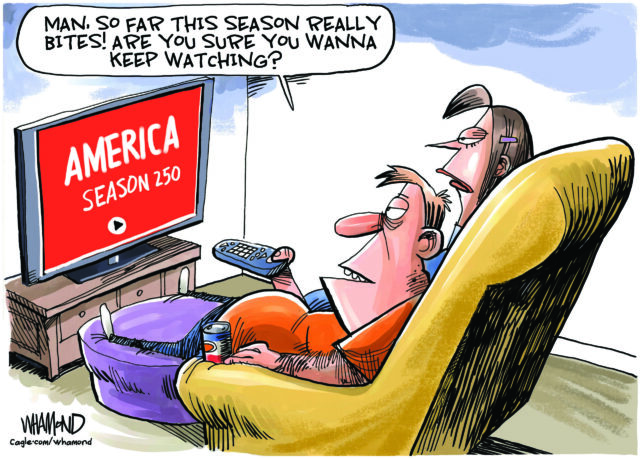 Media literacyWhat Is Disinformation?False or misleading information can distort public understanding.
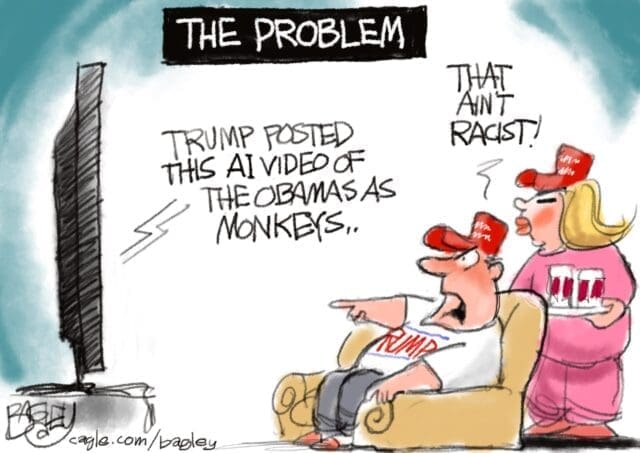 ReasoningPolitical Fallacies In Modern MediaBad arguments can make weak claims sound persuasive.