



Public judgment
Weak reasoning can shape real decisions.
Fallacies can influence voters, policy debates and public trust even when the underlying argument does not hold up.

To Comfort The Afflicted
And Afflict The Comfortable
Fallacious political claims often sound persuasive before they are logical. Recognizing weak reasoning helps readers judge arguments by evidence, not rhetoric.
Quick answer
A fallacious political claim is a statement or argument that appears convincing but is based on flawed reasoning. These claims are common in campaign messaging, debates, commentary and social media because weak logic can still move public opinion when it is emotionally powerful or easy to repeat.
Misrepresenting an argument to make it easier to attack.
Presenting only two choices when more possibilities exist.
Attacking a person instead of addressing the argument.
Claiming extreme consequences will follow without enough evidence.
Why fallacies matter
Citizens constantly encounter campaign ads, speeches, commentary, debates and social media claims. The ability to evaluate arguments is part of democratic participation.
Public judgment
Fallacies can influence voters, policy debates and public trust even when the underlying argument does not hold up.
Emotion
Fear, anger, loyalty and resentment can make flawed arguments feel stronger than they are.
Complexity
Complex issues become easier to exploit when they are reduced to slogans, villains or false choices.
Common political fallacies
Once readers recognize the pattern, a claim becomes easier to test.
Misrepresenting an opponent’s position to make it easier to attack.
Presenting only two options when more possibilities exist.
Attacking the speaker instead of answering the argument.
Claiming one action will lead to extreme consequences without enough evidence.
Using fear, anger, sympathy or pride as a substitute for evidence.
Using one example or limited evidence to make a broad claim.
Changing the subject to avoid the argument being discussed.
Assuming one event caused another simply because it happened first.
What they often sound like
These are generic examples, not claims about a specific candidate or party.
False dilemma
The argument forces a choice that may not reflect the real policy debate.
Ad hominem
A person’s character may be relevant in some contexts, but it does not automatically disprove a claim.
Slippery slope
Serious consequences require evidence, not just dramatic prediction.
Post hoc
Timing may be suggestive, but evidence is needed to show cause and effect.
Why intelligent people fall for fallacies
Fallacious claims are not effective because people are stupid. They are effective because people are busy, emotional, tribal, overloaded and drawn to familiar stories.
Mental shortcuts
When issues are complex, a clean villain, slogan or either/or choice can feel more useful than a complicated explanation.
Identity
People may accept weaker claims when those claims protect their side or attack an opponent.
Repetition
A weak argument repeated often enough can begin to feel like common sense.
How to evaluate political arguments
Good argument evaluation is not about agreeing with a speaker. It is about testing the reasoning.
Evidence
Look for facts, documents, data, reporting or direct evidence.
Logic
A conclusion may sound plausible but still fail to follow from the reasons given.
Alternatives
False dilemmas and post hoc claims often ignore better explanations.
Emotion
Emotion can matter, but it should not substitute for proof.
Civic literacy connections
Political fallacies overlap with messaging, propaganda, media bias and disinformation, but each concept describes a different problem.
Media bias
Bias shapes what audiences notice and how they interpret it.
Political messaging
Messaging uses language, repetition, symbols and narratives to influence opinion.
Propaganda
Propaganda often relies on emotion, symbols, repetition and selective facts.
Political fallacies
Fallacies may appear in any of these settings when an argument relies on faulty logic instead of sound evidence.
Frequently asked questions
Political arguments should be judged by evidence, logic and context, not by volume, repetition or emotional force.
It is a political argument that appears persuasive but relies on flawed logic rather than sound reasoning.
They simplify complex issues, trigger emotion, reinforce identity and are often easy to repeat.
A straw man misrepresents an opponent’s position to make it easier to attack.
A false dilemma presents only two options when additional possibilities may exist.
It attacks a person rather than addressing the argument or evidence.
Look for evidence, missing context, emotional manipulation, personal attacks and conclusions that do not logically follow.
Related Oklahoma Observer coverage
Understanding weak reasoning helps readers evaluate political claims across campaigns, commentary, news coverage and social media.
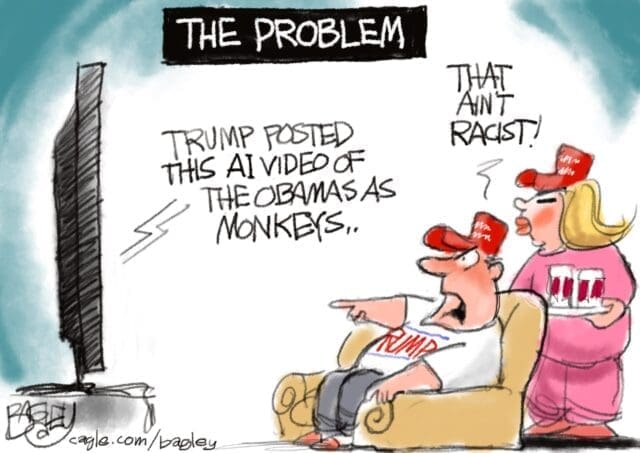 ReasoningPolitical Fallacies In Modern MediaHow weak arguments shape public understanding.
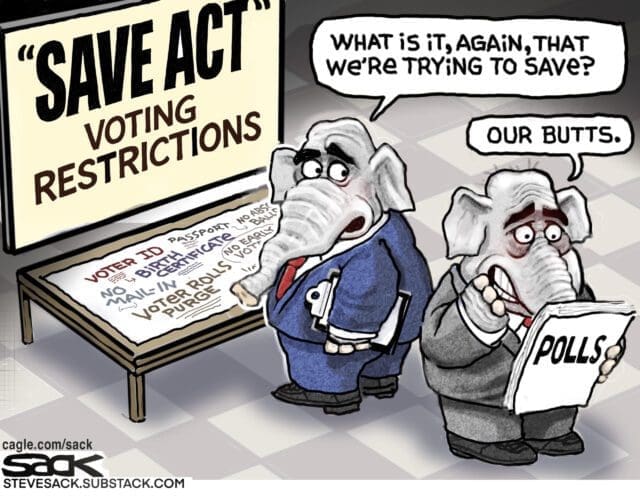 MessagingWhat Is Political Messaging?How framing, repetition and slogans shape what voters believe.
PropagandaWhat Are Propaganda Techniques?How emotion, repetition, labels and selective facts shape belief.
MessagingWhat Is Political Messaging?How framing, repetition and slogans shape what voters believe.
PropagandaWhat Are Propaganda Techniques?How emotion, repetition, labels and selective facts shape belief.
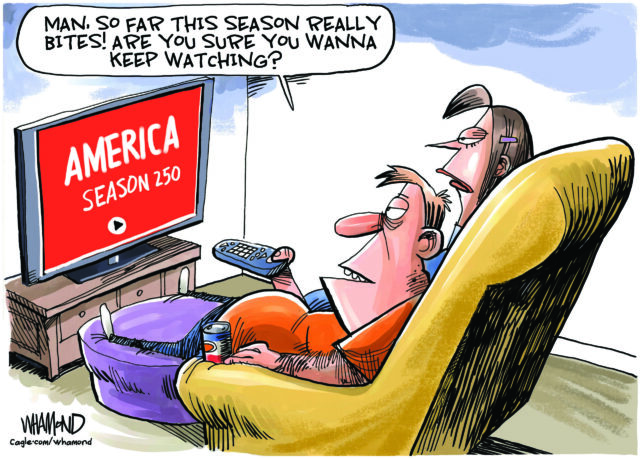 Media literacyWhat Is Media Bias?How selection, framing and emphasis shape public understanding.
DeceptionWhat Is Disinformation?False or misleading information spread intentionally to manipulate.
False claimsWhat Is Misinformation?False or inaccurate information shared without intent to deceive.
Media literacyWhat Is Media Bias?How selection, framing and emphasis shape public understanding.
DeceptionWhat Is Disinformation?False or misleading information spread intentionally to manipulate.
False claimsWhat Is Misinformation?False or inaccurate information shared without intent to deceive.