



Politics
Campaigns use emotion, identity and repetition.
Political messages can frame opponents as threats, attach powerful symbols to weak claims or reduce complicated issues to slogans.

To Comfort The Afflicted
And Afflict The Comfortable
Propaganda techniques are communication methods used to influence opinions, shape narratives and persuade audiences — often by appealing to emotion, identity or fear more than evidence.
Quick answer
Propaganda techniques are strategic communication methods designed to influence how people think or feel about an issue. Some overlap with ordinary persuasion, but propaganda becomes dangerous when it misleads, distorts facts, hides context or manipulates public opinion.
Propaganda often pushes anger, fear, pride or resentment before evidence can be weighed.
It may present only one side of an issue while hiding facts that complicate the message.
Names, slogans and symbols can make audiences react before they reason.
A message repeated often enough can start to feel familiar, even when it is weak or false.
Common techniques
Recognizing the technique helps readers slow down, ask better questions and separate public information from manipulation.
Suggesting that everyone supports something, so you should too.
Using threat, panic or anxiety to drive agreement or action.
Attaching negative labels to opponents instead of addressing their arguments.
Using emotionally appealing phrases that sound good but avoid specifics.
Using public figures, celebrities or trusted voices to transfer credibility.
Presenting only one side of an argument while leaving out important context.
Associating a person, policy or movement with a respected symbol or idea.
Dividing people into virtuous insiders and threatening outsiders.
Blaming one person or group for complex problems that have many causes.
Why it matters
Understanding propaganda techniques helps readers recognize manipulation, think critically about information and make more informed decisions.
Politics
Political messages can frame opponents as threats, attach powerful symbols to weak claims or reduce complicated issues to slogans.
Media
Media consumers need to ask what is emphasized, what is missing and whether language is informing or inflaming.
Advertising
Commercial messaging often borrows the same tools: aspiration, fear, belonging, status and repetition.
How to spot it
Propaganda works best when people react quickly. Critical thinking interrupts that process.
Ask first
Fear, contempt, outrage and pride can all be used to bypass careful judgment.
Look closer
A claim may be technically true while leaving out the context needed to understand it.
Check labels
Name calling can make a position feel defeated without ever addressing it.
Follow evidence
Strong claims should still make sense after sources, context and counterarguments are examined.
Frequently asked questions
Propaganda is not always obvious. It often appears as familiar language, patriotic symbolism, emotional storytelling or repeated talking points.
They are communication methods used to influence opinions, shape narratives and persuade audiences, often by appealing to emotion more than facts.
Not every persuasive technique is dishonest. The problem begins when communication hides evidence, distorts facts or manipulates people without transparency.
Card stacking presents only the facts that support one side while leaving out information that would complicate or weaken the message.
Fear can push people to act quickly, trust authority figures or accept claims they might question under calmer conditions.
Misinformation is false or misleading information. Propaganda is a strategic effort to shape opinion; it may use misinformation, selective truth or emotional framing.
Pause before reacting, check sources, look for missing context, identify emotional triggers and compare claims against evidence.
Related Oklahoma Observer coverage
Media literacy depends on recognizing how claims are framed, repeated, distorted and emotionally loaded.
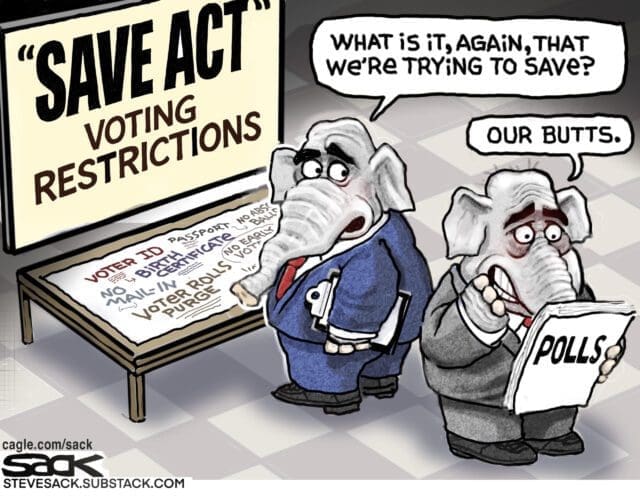 MessagingWhat Is Political Messaging?How framing, repetition and slogans shape what voters believe.
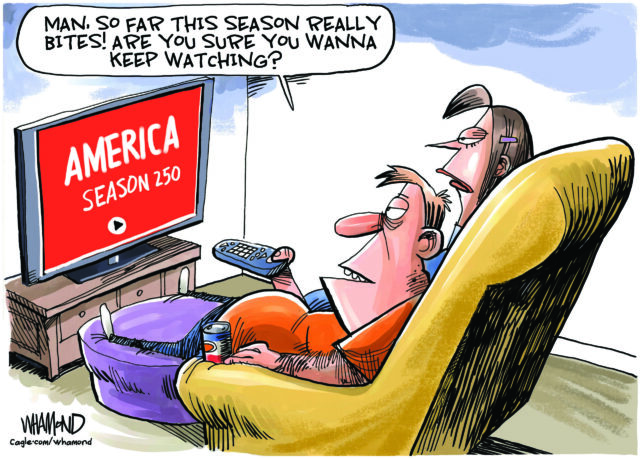 Media literacyWhat Is Media Bias?How selection, framing and emphasis shape public understanding.
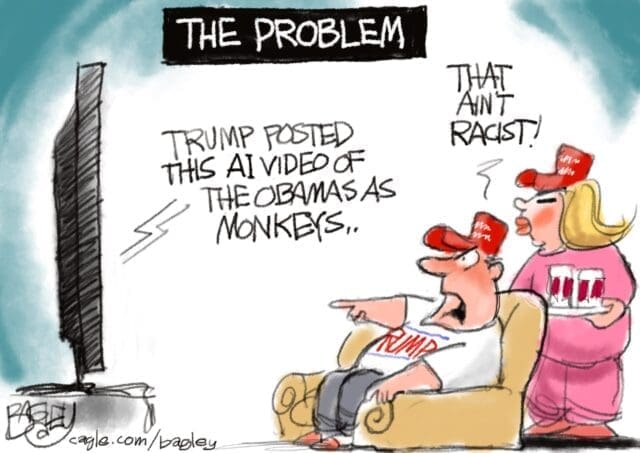 False claimsWhat Is Misinformation?False or inaccurate information can spread even without malicious intent.
ManipulationWhat Is Disinformation?Deliberately false or misleading information can distort public trust.
ReasoningPolitical Fallacies In Modern MediaBad arguments can make weak claims sound persuasive.
False claimsWhat Is Misinformation?False or inaccurate information can spread even without malicious intent.
ManipulationWhat Is Disinformation?Deliberately false or misleading information can distort public trust.
ReasoningPolitical Fallacies In Modern MediaBad arguments can make weak claims sound persuasive.
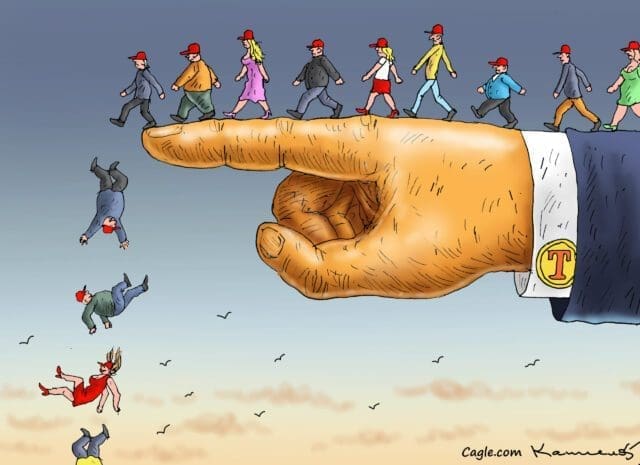 HistoryWhat Is Revisionist History?Historical framing can clarify the past or distort it for politics.