



Accurate but framed
A story can be true and still tilted.
Coverage may rely on real facts while choosing a frame that encourages one interpretation over another.

To Comfort The Afflicted
And Afflict The Comfortable
Media bias refers to the ways news coverage can favor certain perspectives, narratives or outcomes through story selection, framing, emphasis, omission, placement or language.
Quick answer
Media bias occurs when news coverage consistently favors a particular perspective, ideology, narrative or outcome. Bias can appear through the selection of stories, the framing of facts, omitted context, story placement, tone, emphasis or persuasive language.
Which stories are covered — and which are ignored — can shape what audiences think matters.
The same facts can lead readers toward different conclusions depending on how they are presented.
Leaving out important context can make coverage feel complete while still misleading readers.
Loaded words and subtle spin can push interpretation without openly stating an opinion.
Important distinction
Bias often works through emphasis, framing and omission rather than outright fabrication.
Accurate but framed
Coverage may rely on real facts while choosing a frame that encourages one interpretation over another.
Incomplete context
Omission bias can make a claim appear stronger, simpler or more damning than it would with full context.
Opinion vs reporting
Clearly labeled opinion can be honest. Hidden opinion inside supposedly neutral reporting is a different problem.
Common types
Headlines, story placement, source selection and missing context can all influence interpretation.
Choosing which stories to cover or ignore.
Presenting the same facts in a way that influences how readers understand them.
Leaving out important facts, background or competing explanations.
Giving certain stories, voices or details more visibility than others.
Using words or emphasis that subtly persuades rather than simply informs.
Making events seem more shocking, urgent or emotional than the evidence supports.
Presenting unequal claims as if they carry equal factual weight.
Relying on sources that reinforce one narrative while excluding others.
Repeatedly emphasizing some issues while minimizing others.
Public opinion
Bias can affect which problems feel urgent, which leaders seem credible, which communities are heard and which facts are treated as central.
Agenda setting
The stories repeatedly placed in front of readers shape what they believe matters most.
Narratives
Once a narrative takes hold, later facts may be interpreted through that earlier frame.
Trust
Readers lose trust when coverage appears to sell a conclusion while pretending to simply present facts.
How to spot it
Bias is often easiest to detect across repeated choices: headlines, sources, omissions, tone and placement.
Compare sources
Different outlets may emphasize different facts, voices and frames.
Check headlines
A headline can signal blame, urgency or suspicion before readers reach the evidence.
Watch omissions
Missing background, excluded voices or absent data can change the meaning of a story.
Separate fact from interpretation
Good media literacy means identifying where reporting ends and interpretation begins.
Frequently asked questions
Bias is not always obvious, and it is not always the same as misinformation, disinformation or propaganda.
Media bias is the perceived or actual partiality of journalists or news organizations in selecting, framing and presenting information.
All journalism involves choices about what to cover, whom to quote and how to explain events. Bias becomes a serious problem when those choices consistently distort understanding.
No. A story can be factually accurate and still biased through framing, omission, emphasis or tone.
Media bias may be intentional or unintentional. Propaganda is usually a more deliberate effort to persuade, manipulate or mobilize an audience.
Misinformation involves false or inaccurate information. Media bias can exist even when the information presented is technically accurate.
Compare sources, examine headlines, watch for loaded language, look for missing context and separate factual reporting from interpretation.
Related Oklahoma Observer coverage
Understanding one concept helps readers recognize the others.
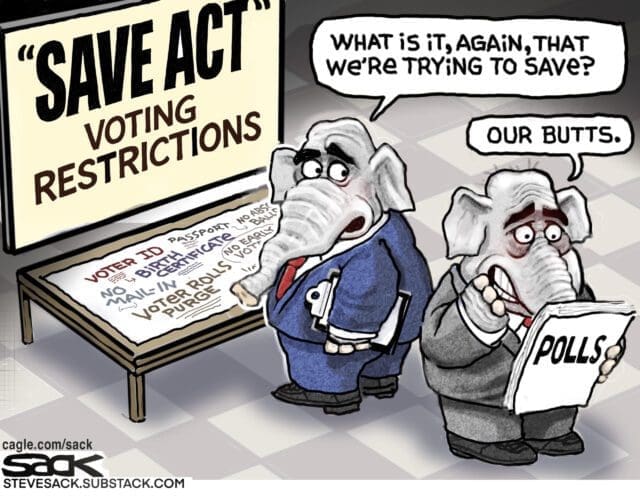 PropagandaWhat Are Propaganda Techniques?How emotion, repetition, labels and selective facts shape belief.
MessagingWhat Is Political Messaging?How framing, repetition and slogans shape what voters believe.
PropagandaWhat Are Propaganda Techniques?How emotion, repetition, labels and selective facts shape belief.
MessagingWhat Is Political Messaging?How framing, repetition and slogans shape what voters believe.
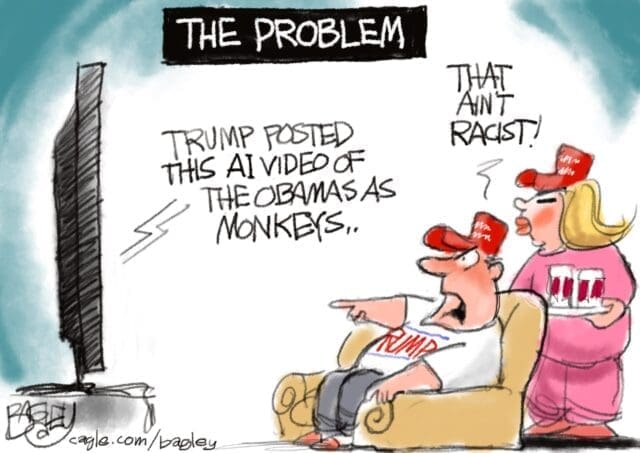 False claimsWhat Is Misinformation?False or inaccurate information can spread without malicious intent.
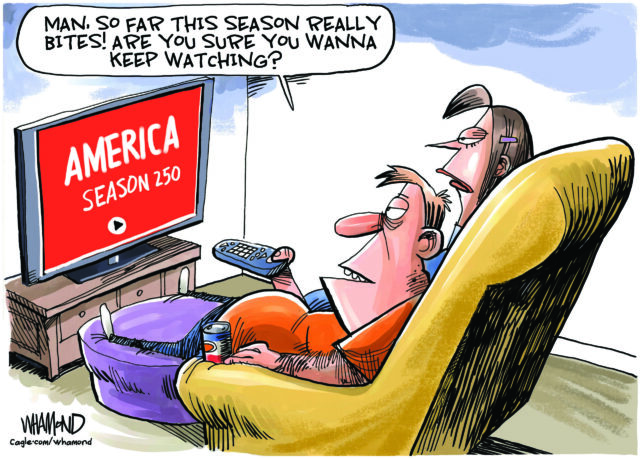 ManipulationWhat Is Disinformation?Deliberately false or misleading information can distort public trust.
ReasoningPolitical Fallacies In Modern MediaBad arguments can make weak claims sound persuasive.
ManipulationWhat Is Disinformation?Deliberately false or misleading information can distort public trust.
ReasoningPolitical Fallacies In Modern MediaBad arguments can make weak claims sound persuasive.
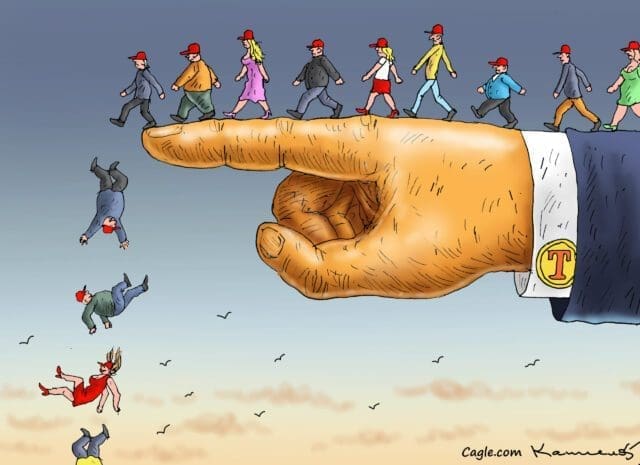 HistoryWhat Is Revisionist History?Historical framing can clarify the past or distort it for politics.