



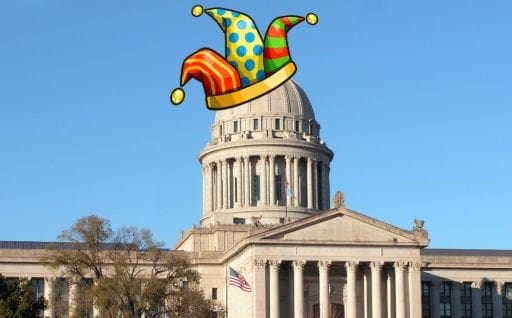
Funding & public schools
Dumb And Dumber
A sharp Oklahoma entry point into per-student funding, rural schools, private education, tax cuts and the consequences of state budget choices.
Read the Observer coverage →
To Comfort The Afflicted
And Afflict The Comfortable
How funding battles, teacher shortages, privatization efforts, church-state conflicts and political warfare turned Oklahoma public education into one of the state’s defining civic challenges.
The larger issue
It is a long-running struggle over what public schools are for, who controls curriculum, how public dollars are spent, whether schools remain secular civic institutions and whether Oklahoma can retain the educators its communities depend on.
What Oklahomans want to know
Most readers do not arrive looking for a history lecture. They want to know why schools are under pressure, why educators are leaving, what vouchers mean and why public education keeps showing up in campaigns, court fights and culture-war headlines.
Because long-term funding strain, teacher shortages, rural district challenges, political conflict and privatization pressures have converged into one continuing crisis.
Pay, workload, class size, respect, political pressure and limited classroom support all affect recruitment and retention.
Voucher-style programs use public resources to help pay for private education expenses. Supporters call them choice; critics say they weaken public schools.
Public schools serve students of many faiths and no faith. Constitutional limits help keep government from imposing religious doctrine through public institutions.
Frequently asked questions
Parents, teachers, voters and citizens need clear answers before the next headline or campaign ad defines the issue for them.
Because many pressures are happening at once: long-term funding strain, teacher shortages, rural school challenges, politicized curriculum fights, voucher debates and public distrust created by years of conflict.
Public schools rely on a mix of state, local and federal funding. State tax policy, legislative priorities, enrollment patterns and local resources all affect what districts can provide.
Teacher retention is affected by pay, workload, classroom conditions, public respect, political pressure, support staff shortages and the ability to do professional work without constant interference.
Voucher-style programs use public resources to help pay private education costs. Supporters say they expand family choice; critics say they divert money from public schools and increase inequality.
The superintendent leads the State Department of Education, influences policy, works with the State Board of Education and can shape public debate over curriculum, school rules and district accountability.
Public schools are government institutions. Church-state limits help protect students and families from government-imposed religious doctrine and keep schools open to all communities.
Rural districts often operate with smaller tax bases, longer transportation routes, fewer staffing options and deep community dependence on the local school as a civic anchor.
Public schools teach history, civic participation, critical thinking and shared public responsibility. A weakened education system weakens the civic foundation democracy requires.
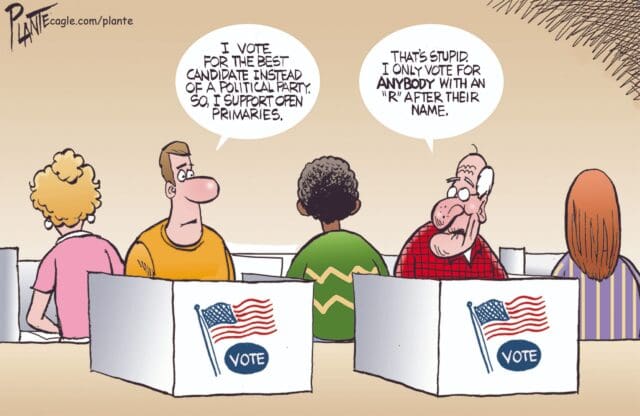
Key issues shaping Oklahoma schools
Oklahoma public education is not under pressure from one cause. Funding, staffing, church-state conflict and privatization debates reinforce one another, leaving students, families and educators to live with the results.
 TeachersTeacher ShortagesPay, workload, political pressure and classroom support shape whether Oklahoma can keep educators.
FundingSchool FundingState budget choices determine what districts can offer students and communities.
TeachersTeacher ShortagesPay, workload, political pressure and classroom support shape whether Oklahoma can keep educators.
FundingSchool FundingState budget choices determine what districts can offer students and communities.
 Church & stateReligion In Public SchoolsPublic schools serve students of many faiths and no faith under constitutional limits.
 PrivatizationVouchers & Public DollarsSchool-choice debates are also fights over public money and public accountability.
The long crisis
Oklahoma’s public education challenges grew across many years: low investment, local strain, policy instability, teacher frustration and widening conflict over what schools should teach and whom they should serve.
Funding & public schools
A sharp Oklahoma entry point into per-student funding, rural schools, private education, tax cuts and the consequences of state budget choices.
Read the Observer coverage →
State funding
Tax policy, school funding, infrastructure and public services collide when lawmakers promise more with less.
Read the Observer coverage →
Schools & Legislature
Coverage connecting Oklahoma schools, legislative choices, state leadership and the details hidden beneath the speeches.
Read the Observer coverage →Teachers, students & communities
Teacher shortages, student protests, local control, rural pressure and community trust are where policy decisions stop being abstract and start shaping daily life.
Teacher pay & local control
A useful bridge into local control, vouchers, per-pupil spending, teacher pay, hard history and respect for educators.
Read the Observer coverage →Students & speech
Student walkouts, free-speech disputes and state education leadership show how schools remain civic spaces.
Read the Observer coverage →Classroom strain
An earlier Observer piece documenting how school instability, public health conflict and classroom realities became part of the larger crisis.
Read the Observer coverage →Governance & political leadership
Ryan Walters is now historical context, not the center of Oklahoma’s education story. The larger issue is how the system is governed, how political rhetoric affects public trust and how future leaders treat schools, teachers and local communities.
Governor’s race & schools
Mike Mazzei’s comments, the Walters legacy and Lindel Fields’ response show why public education remains a central issue in Oklahoma politics.
Read the Observer coverage →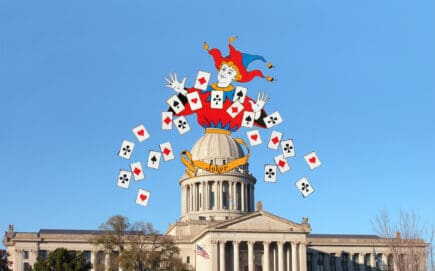
Agency power
Governance structure matters: who appoints agency leaders, who checks executive authority and how public education is held accountable.
Read the Observer coverage →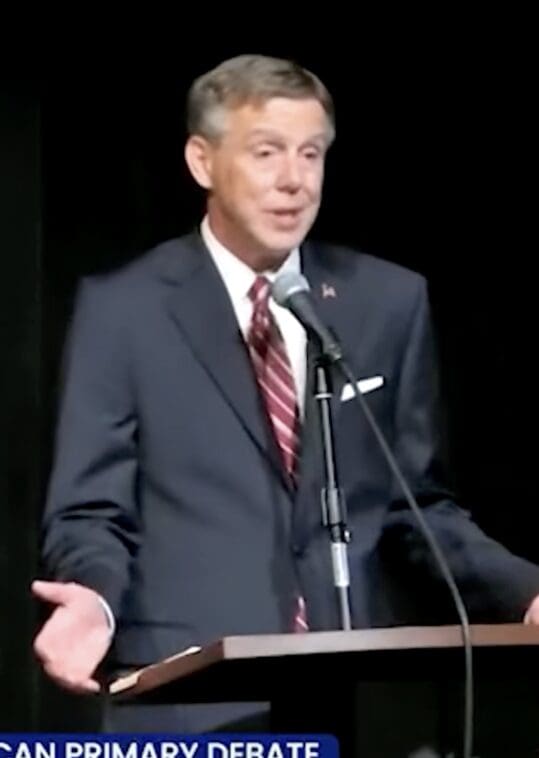
Campaign rhetoric
The governor’s race, OETA, public schools and Republican debate rhetoric show education’s continuing role in statewide politics.
Read the Observer coverage →Church, state & public schools
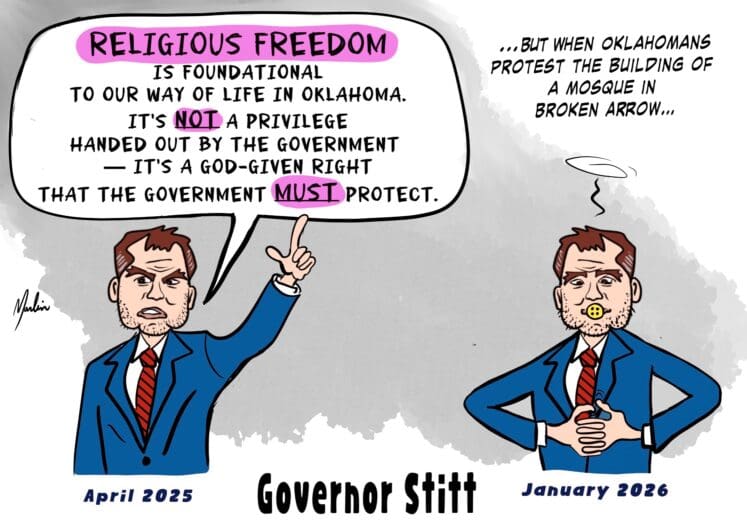
Oklahoma’s education fights increasingly involve Bible mandates, Christian nationalism, curriculum disputes and constitutional boundaries. Those conflicts are not side issues; they shape whether public schools remain common civic institutions.
Religious liberty
A grounded Oklahoma doorway into religious liberty, public values and equal treatment under government.
Read the Observer coverage →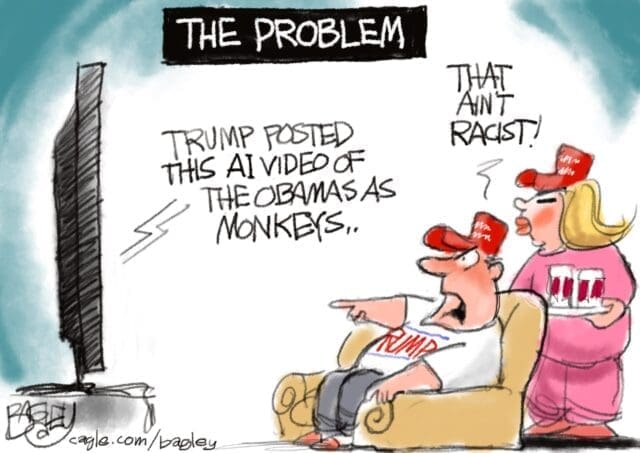
Bigotry & public truth
Public education depends on truth-telling, historical honesty and resistance to bigoted political narratives.
Read the Observer coverage →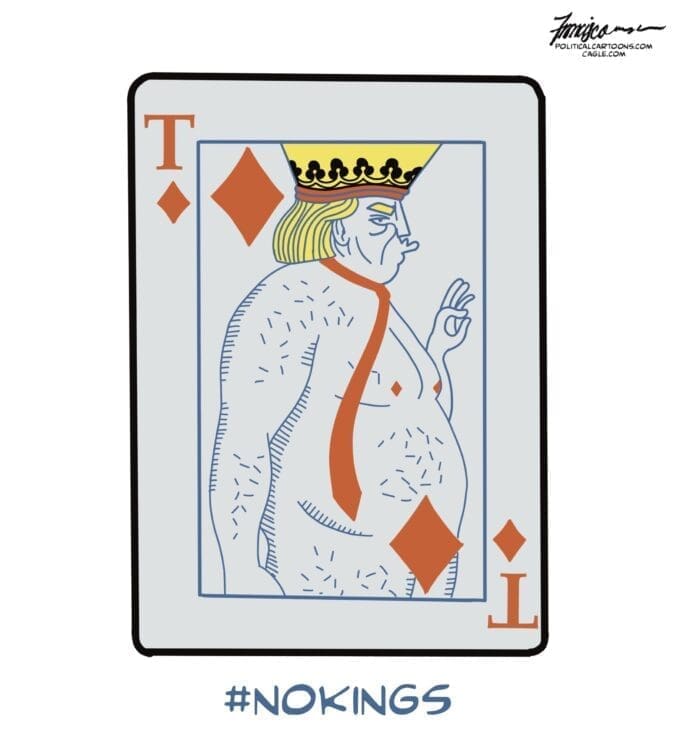
Civic literacy
Curriculum fights often turn on how history is framed, omitted, distorted or responsibly re-examined.
Read more →School choice, vouchers & privatization
Voucher-style programs are often described as school choice. The central public question is whether these systems expand opportunity or drain resources from public schools that serve most Oklahoma children.
Vouchers & public dollars
Public schools, rural Oklahoma, private education and voucher politics meet in a state already struggling with school investment.
Read the Observer coverage →Public dollars
Observer coverage connecting public dollars, voucher schemes, rural communities and the public-school mission.
Read the Observer coverage →Public investment
A broader look at schools, technology, public investment and who benefits when public resources are redirected.
Read the Observer coverage →Public education & democracy
Public education is not just job training. It shapes civic literacy, historical understanding, public trust, local leadership and whether students learn how democratic institutions work.
Civic foundations
A civic-literacy bridge into republican government, public responsibility, history and resistance to arbitrary power.
Read the Observer coverage →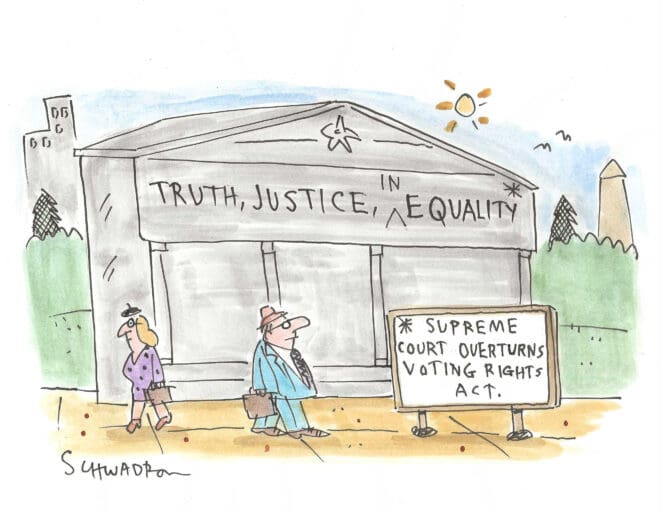
Related coverage
Voting rights and public schools both depend on civic knowledge, institutional trust and access to public systems.
Read more →Media literacy
Education debates are often shaped by slogans, fear and distorted claims. Media literacy helps readers separate policy from propaganda.
Read more →Related Oklahoma Observer coverage
Schools are tied to elections, voting rights, church-state conflicts, political messaging, disinformation and civic literacy. These Oklahoma Observer pages provide deeper context for the larger public questions surrounding education.
ElectionsOklahoma’s 2026 Election GuideBallot questions, voting access, public schools, wages and state power.
DemocracyOklahoma Democracy And Voting RightsVoting access, democratic institutions and public accountability in Oklahoma.
Church & stateChurch And State In OklahomaReligion, government power, public schools and constitutional boundaries.
Critical thinkingPolitical Fallacies In Modern MediaHow bad arguments shape political debate and public understanding.
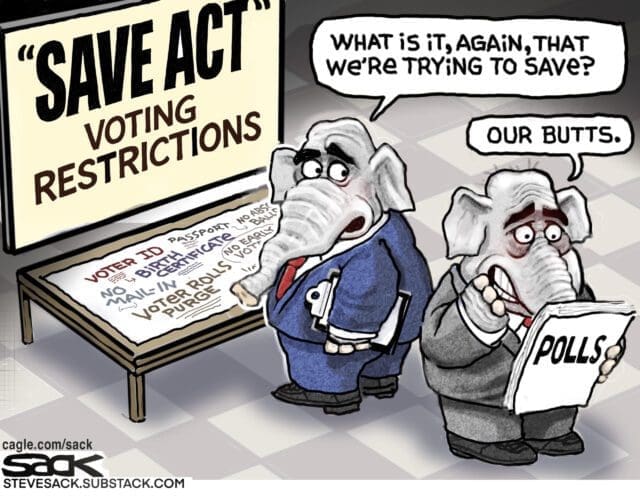 MessagingWhat Is Political Messaging?How slogans, framing and repetition shape what voters believe.
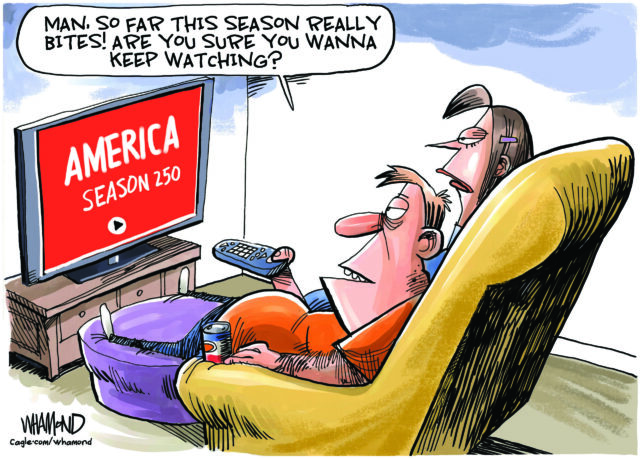 Media literacyWhat Is Disinformation?False or misleading information can distort schools, elections and public trust.