



Misinformation
Wrong information shared without intent to deceive.
An inaccurate statistic, outdated claim or misleading post may be shared by someone acting in good faith.

To Comfort The Afflicted
And Afflict The Comfortable
Disinformation is false or misleading information deliberately created or spread to deceive people, manipulate opinion or influence behavior.
Quick answer
Disinformation is the intentional use of false or misleading information. It is often used in political messaging, media campaigns and online platforms to shape public perception, create confusion or influence outcomes.
Disinformation is created or spread with knowledge that it is false or misleading.
It is designed to make people believe something inaccurate or incomplete.
It often serves political, financial, ideological or social goals.
It can affect public trust, elections, policy debates and community decisions.
Disinformation vs. misinformation
Both can spread false claims. Disinformation is knowingly deceptive. Misinformation may be shared by people who believe it is true.
Misinformation
An inaccurate statistic, outdated claim or misleading post may be shared by someone acting in good faith.
Disinformation
Disinformation is knowingly false or misleading and is spread to influence what people believe, fear, repeat or do.
Public harm
Accidental falsehoods can still do harm, but deliberate deception attacks public trust at the source.
Common forms
The format changes. The goal remains deception.
Completely false narratives presented as factual reporting.
Edited photos, videos or audio designed to mislead.
Artificially generated media that appears authentic.
Invented or altered statements assigned to real people or sources.
People presented as credible authorities without genuine expertise.
Organized efforts to spread deceptive narratives widely.
Removing context to create a misleading conclusion.
Fake accounts designed to appear trustworthy or local.
Why it works
It succeeds because people are busy, emotional, loyal to communities, overwhelmed by information and inclined to trust claims that confirm what they already believe.
Emotion
Disinformation often triggers outrage or panic because emotional claims are more likely to be shared before they are checked.
Repetition
Repeated exposure can make even weak claims seem credible.
Identity
People may accept false claims more easily when those claims flatter their side or attack an opponent.
Information ecosystem
Readers often confuse bias, misinformation, disinformation, propaganda and political messaging. The distinctions matter.
Media bias
Bias may still involve accurate facts, but the framing, emphasis or omissions tilt understanding.
Misinformation
Wrong information may spread because people believe it is true.
Disinformation
The defining feature is deliberate deception.
Propaganda
Propaganda may use truth, half-truths, misinformation, disinformation or emotional framing.
Political messaging
Political messaging is designed to persuade voters or audiences. It becomes disinformation when it knowingly deceives.
How to identify it
Disinformation often tries to make people react before they verify.
Source
Trace the claim back to documents, named reporting, public records or direct evidence.
Emotion
Claims built to provoke fear, rage or contempt deserve extra scrutiny.
Evidence
Screenshots, anonymous posts and clipped videos are not the same as verified evidence.
Reporting
Reliable claims usually survive comparison across credible sources.
Frequently asked questions
Disinformation is deliberate deception. That distinction separates it from ordinary mistakes, incomplete reporting and good-faith confusion.
Disinformation is false or misleading information deliberately created or spread to deceive people, manipulate opinion or influence behavior.
Misinformation is false information shared without intent to deceive. Disinformation is knowingly false or misleading.
Fabricated stories, manipulated media, deepfakes, false attribution, fake experts, coordinated campaigns, selective editing and impersonation accounts.
It erodes trust, distorts public debate, confuses voters and can influence political, social and personal decisions.
It spreads through social media, partisan networks, online platforms, coordinated campaigns, repetition and emotionally charged sharing.
No. Propaganda is persuasion and opinion shaping. It may use disinformation, but not all propaganda is knowingly false.
Related Oklahoma Observer coverage
Understanding the differences helps readers recognize how deceptive information spreads and how public opinion is shaped.
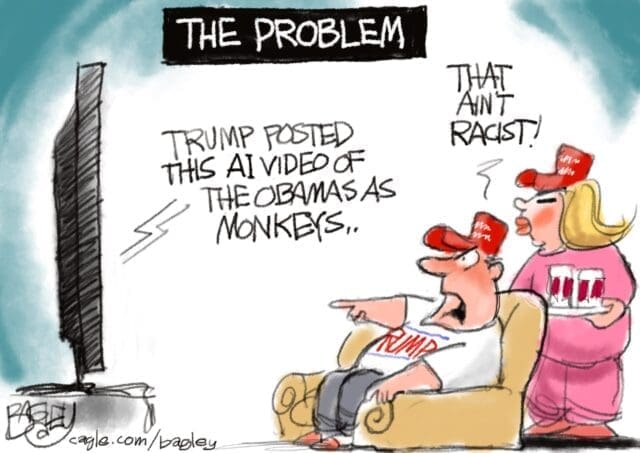 Good-faith errorsWhat Is Misinformation?False or inaccurate information shared without intent to deceive.
 FramingWhat Is Media Bias?How selection, framing and emphasis shape public understanding.
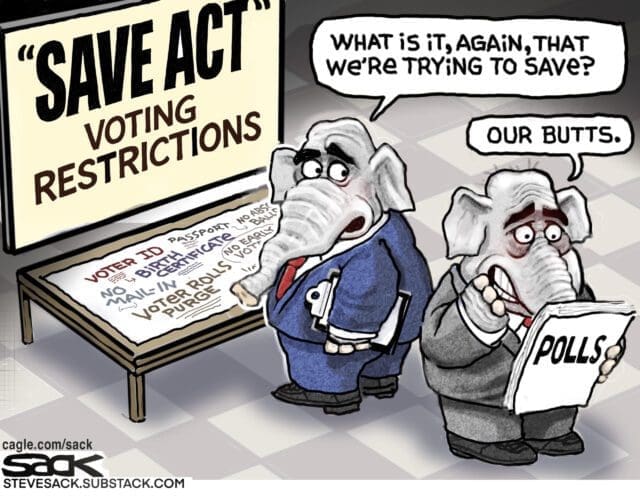 PropagandaWhat Are Propaganda Techniques?How emotion, repetition, labels and selective facts shape belief.MessagingWhat Is Political Messaging?How framing, repetition and slogans shape what voters believe.ReasoningPolitical Fallacies In Modern MediaBad arguments can make weak claims sound persuasive.
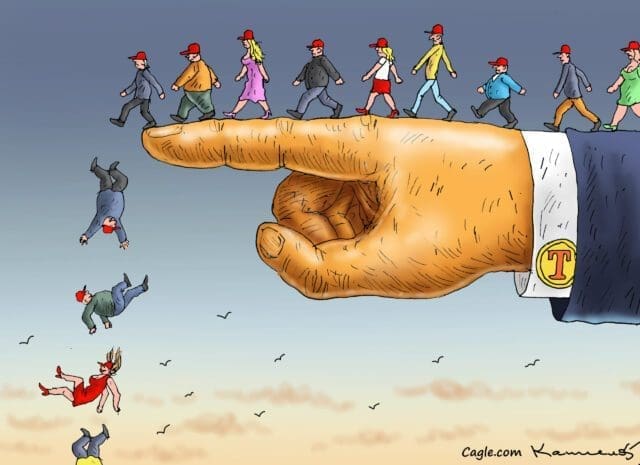 HistoryWhat Is Revisionist History?Historical framing can clarify the past or distort it for politics.