



Advertising
Marketing sells more than products.
It often sells identity, status, belonging, attractiveness, success and the promise of a better self.

To Comfort The Afflicted
And Afflict The Comfortable
Hyper consumerism is the pattern of buying more than people need, driven by advertising, social pressure, convenience and a culture that links identity to constant consumption.
Quick answer
Hyper consumerism refers to excessive consumption beyond basic needs. It is fueled by marketing, convenience and cultural expectations that equate purchasing with success, happiness or identity.
Buying moves beyond usefulness into constant acquisition.
Advertising encourages people to upgrade, replace and buy again.
Status, comparison and trends make consumption feel necessary.
Online shopping and fast shipping make buying easier than pausing.
Examples
The pattern is not simply buying things. It is the pressure to keep buying, replacing and upgrading.
Replacing phones, electronics or devices before they are truly necessary.
Buying inexpensive clothing meant to be worn only briefly before the next trend arrives.
Replacing functional products with newer versions for small or cosmetic changes.
Purchasing items because online culture makes them feel urgent, popular or identity-defining.
What causes it
It is encouraged by business models, advertising, credit systems, social comparison and products designed to become obsolete.
Advertising
It often sells identity, status, belonging, attractiveness, success and the promise of a better self.
Convenience
Online purchasing, one-click checkout and fast shipping make consumption nearly frictionless.
Obsolescence
Design, software, fashion cycles and repair barriers can push people toward buying again.
Why it matters
Hyper consumerism contributes to financial stress, waste, environmental damage and a culture where buying can replace long-term value, community and necessity.
Financial stress
Consumption fueled by status, credit or comparison can create stress long after the purchase is over.
Waste
Discarded clothing, electronics, packaging and short-lived goods carry costs beyond the checkout line.
Values
A culture organized around consumption can confuse ownership with happiness, identity or belonging.
Consumerism vs hyper consumerism
Consumerism describes the role of spending in modern economic life. Hyper consumerism is the intensified version where consumption becomes excessive, unnecessary and identity-driven.
Consumerism
People buy goods and services to meet needs, improve comfort and participate in the economy.
Hyper consumerism
Buying becomes constant, excessive and tied to status, identity, trends or emotional reward.
The civic question
Hyper consumerism asks people to solve social, emotional and identity needs through more purchases.
How to recognize the pattern
The question is not whether buying is bad. The question is whether consumption is being used to fill needs it cannot actually satisfy.
Need
Impulse buying often begins with urgency, comparison or emotional pressure.
Longevity
Durability, repairability and usefulness matter more than novelty.
Pressure
Advertising and trend culture often profit from dissatisfaction.
Value
More consumption can crowd out savings, time, relationships and public life.
Frequently asked questions
Buying is part of modern life. Hyper consumerism begins when consumption becomes excessive, identity-driven and disconnected from real need.
Hyper consumerism is excessive consumption beyond basic needs, driven by advertising, social pressure, convenience and cultural expectations.
Consumerism describes spending as part of economic life. Hyper consumerism describes excessive, often unnecessary consumption.
Frequent technology upgrades, fast fashion, replacing functional products and trend-driven overconsumption.
Advertising, online convenience, social comparison, planned obsolescence and cultural pressure to buy more.
It can contribute to financial stress, waste, environmental harm and a culture that equates buying with happiness or identity.
No. People need goods and services. The problem is excessive consumption that replaces usefulness, value and judgment with constant buying.
Related Oklahoma Observer coverage
Advertising, status, persuasion and public narratives shape what people believe they need and what kind of life they are told to want.
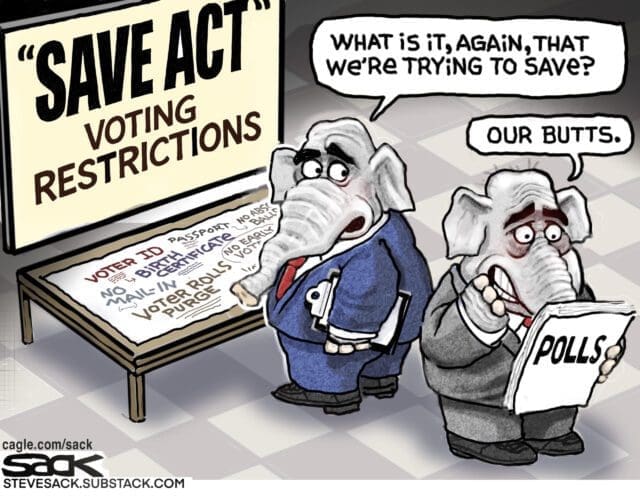 MessagingWhat Is Political Messaging?How framing, repetition and slogans shape what people believe.
PersuasionWhat Are Propaganda Techniques?How emotion, repetition, labels and selective facts shape belief.
MessagingWhat Is Political Messaging?How framing, repetition and slogans shape what people believe.
PersuasionWhat Are Propaganda Techniques?How emotion, repetition, labels and selective facts shape belief.
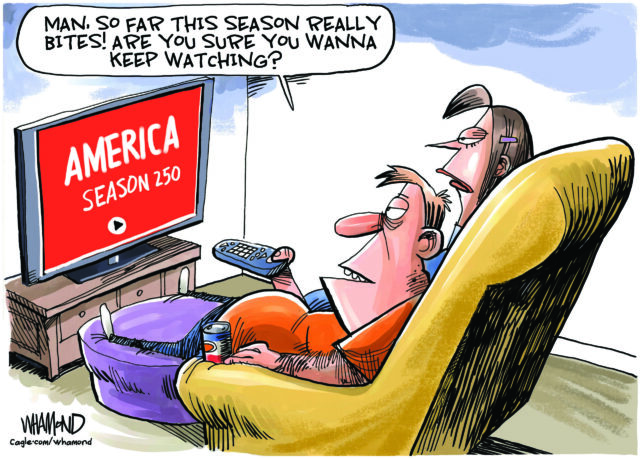 Media literacyWhat Is Media Bias?How selection, framing and emphasis shape public understanding.
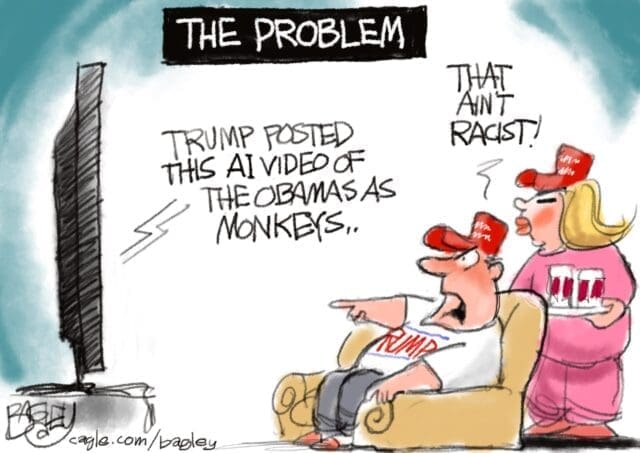 ReasoningPolitical Fallacies In Modern MediaHow weak arguments can make weak claims sound persuasive.
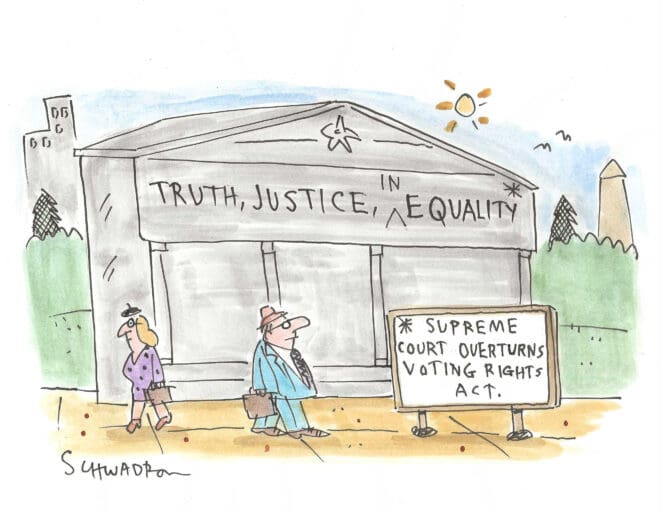 DemocracyOklahoma Democracy And Voting RightsPublic accountability, voting rights and civic participation.
 ElectionsOklahoma’s 2026 Election GuideBallot questions, public policy, voting access and campaign issues.